
By the Elevated Masonry & Exteriors team · Last updated
Straight answers
Masonry and Exterior FAQ
This masonry and exterior FAQ answers the questions Nebraska homeowners, builders and property managers ask us most, from tuckpointing and stone veneer to roofing, hail damage, siding, gutters, painting and stucco. Each answer links to the service page with the full details.
- Licensed & insured
- Free written estimates
- Mon to Fri, 8 AM to 5 PM
Get Your Free Quote
We’ll get back to you in under 5 minutes
We cover
Everywhere we work
- Lincoln68502, 68503, 68504, 68505, 68506, 68507, 68508, 68510, 68512, 68514, 68516, 68517, 68520, 68521, 68522, 68523, 68524, 68526, 68527, 68528, 68531, 68532
- Seward68434
- Waverly68462
- Hickman68372
- Milford68405
- Crete68333
- York68467
- Aurora68818
- Grand Island68801, 68803
- Hastings68901
- Kearney68845, 68847
- Beatrice68310
- Wahoo68066
- Ashland68003
- Malcolm68402
- Roca68430
- Bennet68317
- Denton68339
- Firth68358
- Davey68336
- Raymond68428
- Hallam68368
- Walton68461
- Sprague68438
- Panama68419
- Martell68404
- Utica68456
- Beaver Crossing68313
- Pleasant Dale68423
- Garland68360
- Staplehurst68439
- Goehner68364
- Cordova68330
- Bee68314
- Tamora68434
What do you need?
We’ll get back to you
No spam. No pushy sales. Just a straight answer.
In a rush? Let’s talk now.
Free written estimates for homeowners, builders, general contractors and property managers.
Working with Elevated
Do you give free estimates?
Yes. Estimates are free and written, with materials, prep and cleanup spelled out. There is no pressure to sign.
Are you licensed and insured?
Yes. Elevated Masonry & Exteriors is licensed and insured, and we provide proof of insurance with your bid.
What areas do you serve?
Lincoln, Seward, Waverly, Hickman, Milford, Crete, York, Aurora, Grand Island, Hastings, Kearney, Beatrice, Wahoo and Ashland, plus smaller Lancaster and Seward County towns. See our service areas page for the full list.
What are your hours?
Monday to Friday, 8 AM to 5 PM. The office at 701 P Street, Suite 105, Lincoln, is closed on weekends.
Do you work with builders and general contractors?
Yes. We work as the masonry, painting or stucco and EIFS subcontractor on new homes and commercial buildings, as well as directly for homeowners and property managers.
Masonry, tuckpointing and stone
What is the difference between brick on frame and brick on masonry?
Brick on frame is a single layer of brick veneer tied to a wood-framed wall, with a small air space behind it. The wood frame holds up the house. Brick on masonry, or solid masonry, means the brick walls themselves carry the load, often two or more layers thick, and it is more common in older homes. Repairs differ, so it helps to know which one you have.
Can bricks be repaired?
Yes. A cracked, chipped or spalled brick can usually be cut out and replaced with a matching brick, and the worn mortar around it can be repointed. Small chips are sometimes patched, but patches tend to show and can fail after a few freeze-thaw winters. A good replacement lasts longer. Fixing the water problem that damaged the brick matters just as much.
How much is tuckpointing?
It depends on how much of the wall needs work, how deep the old mortar has to be cut out, how high the wall is, and whether bricks need replacing. Spot repairs near the ground are a small job. Repointing a full two story wall on scaffolding is a big one. We give free estimates with a written bid instead of guessing at a price online.
Is tuckpointing necessary?
If the mortar is worn, yes, sooner or later. Open joints let water into the wall, and in a Nebraska winter that water freezes and damages brick, ties and sometimes the framing behind it. Repointing joints costs far less than replacing spalled brick or rebuilding a section later. If your mortar is still hard and flush, you can wait and check again in a few years.
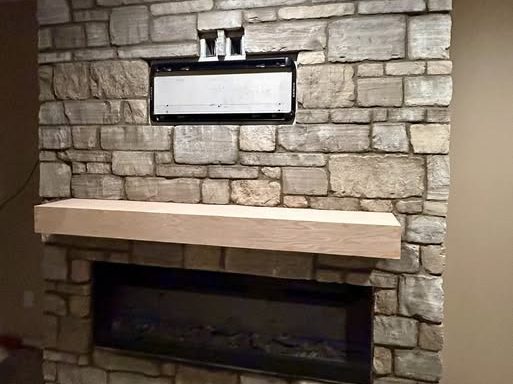
How long does stone veneer last?
Installed correctly, stone veneer can last as long as the house. The stone itself rarely wears out. What fails is the water management behind it. With a proper barrier, flashing, weep screed and clearance above soil and paving, it should give decades of service with little upkeep beyond working gutters and keeping soil pulled back from the base.
Can stone veneer go over brick or concrete?
Often, yes. Clean, unpainted, unsealed brick, block or concrete can usually take stone veneer with a bonding scratch coat. If the surface is painted, sealed or crumbling, metal lath is fastened over it first. The old wall also has to be sound and dry, because water problems in it will not go away under new stone.
Roofing and storm damage
How long does a roof last in Nebraska?
Many asphalt shingle roofs last roughly 20 to 30 years, but Nebraska hail, wind and big temperature swings can cut that short. A roof hit by a heavy hailstorm may need replacing long before it wears out. Good attic ventilation, a sound ice barrier and quick repairs after storms help a roof reach the long end of its range.
What is the cheapest way to replace a roof?
The lowest cost path is usually standard architectural shingles over sound decking, on a roof with only one existing layer. Laying new shingles over old ones can look cheaper, but in Lincoln, roofs with two or more layers must be fully torn off, and an overlay hides decking problems. A clear written bid shows where the money goes.
Does insurance cover hail damage to a roof?
Many homeowners policies cover hail damage to roofs, but the payout depends on your deductible, whether you have replacement cost or actual cash value coverage, and any cosmetic damage exclusions. Call your agent or insurer to ask how your policy handles it and how to start a claim. Report damage promptly, because policies set deadlines.
How much does insurance pay for hail damage?
There is no set amount. Your insurer estimates the cost to repair or replace the damaged items, then subtracts your deductible. Actual cash value policies also subtract depreciation for the age of the roof or siding. Replacement cost policies may hold some money back until the work is done. Your policy wording decides it.
Will you help with my insurance claim?
We do not negotiate claims or act as your adjuster. What we do is inspect the damage, explain what we found, and give you a written estimate for the repair. You can share that with your insurer. Questions about coverage, deductibles and payouts should go to your agent or insurance company.
Siding, gutters, painting and stucco
How long does a siding replacement take?
It depends on the size of the house, the material and the weather. Many single family homes take several working days from tear off to clean up. Fiber cement and engineered wood take longer than vinyl because they are heavier and need more cutting. Hidden sheathing repairs and rain delays can add time, so ask for a realistic schedule in the written bid.
Are seamless gutters worth it?
For most homes, yes. Seamless gutters only have joints at corners and downspout outlets, so there are far fewer places to leak than with sectional gutters joined every few feet. They also look cleaner on the house. The tradeoff is that a badly damaged run is usually replaced as a whole run rather than one short piece.
How long does exterior paint last in Nebraska?
It depends on the surface, the prep and how much sun and weather each wall gets. South and west walls usually fade and break down first. A well prepped job with quality paint lasts many years longer than a quick coat over peeling paint. Washing the house and touching up small spots each year helps it last.
Do you repair eaves, soffit and fascia?
Yes. Eaves work is part of this service: rotted fascia boards, sagging or stained soffit, missing vents and storm or animal damage at the roof edge. We replace or repair the damaged pieces, seal where the eave meets stucco, siding or brick, and match the finish. Gutters that overflow are a common cause of eave rot, so we check them at the same visit.
How do I know if my house has stucco or EIFS?
Press firmly or tap on the wall. EIFS often sounds hollow and may give slightly, because it is a thin coating over foam board. Traditional stucco feels hard and solid. You can also look where a light fixture or outlet cuts through the wall, where foam may be visible. A contractor can confirm it before quoting a repair.
Still have a question?
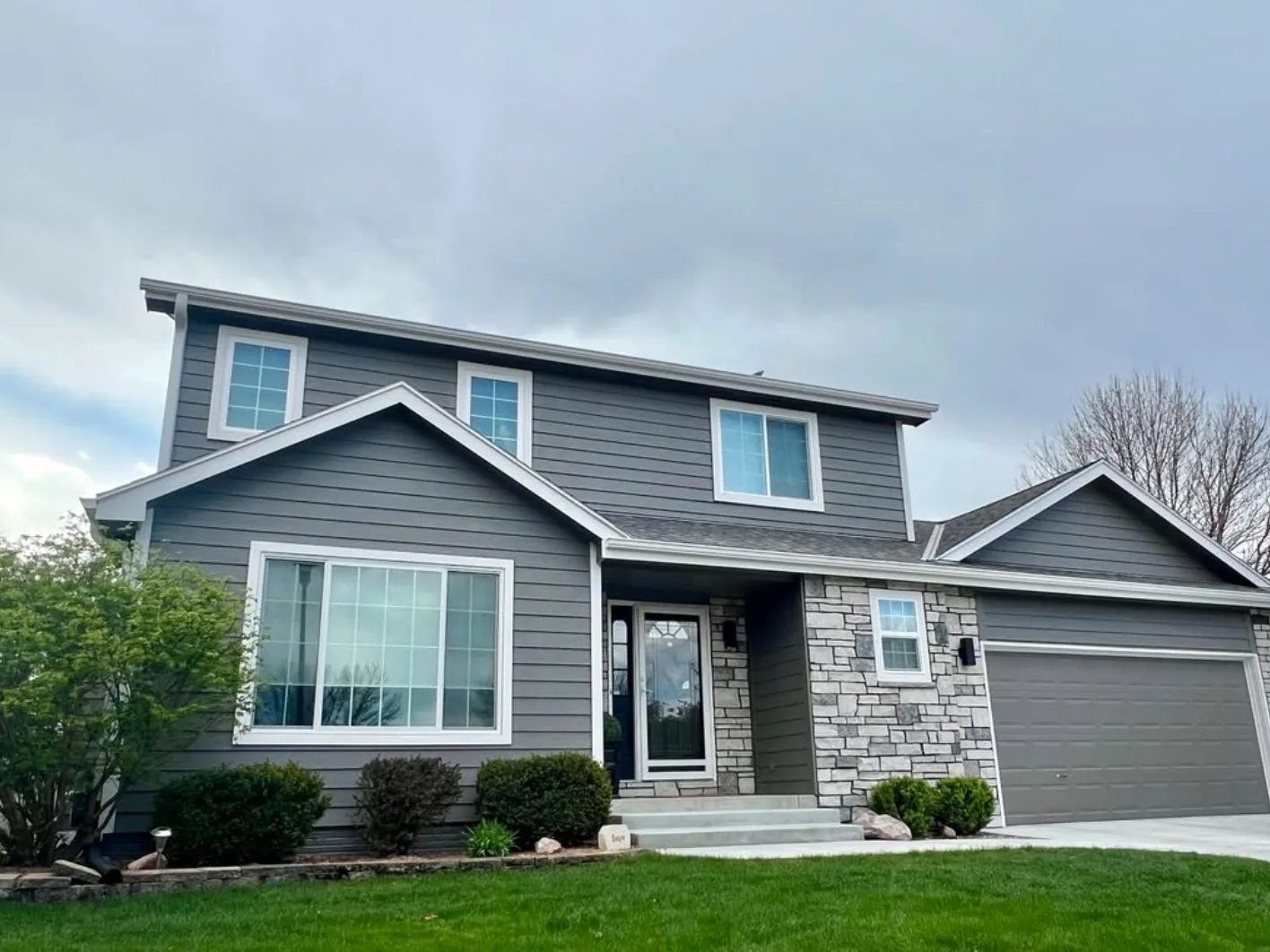 ServicesElevated Masonry & Exteriors offers exterior services in Lincoln, NE for homes and commercial buildings: brick, block and stone masonry, roofing,...Learn more
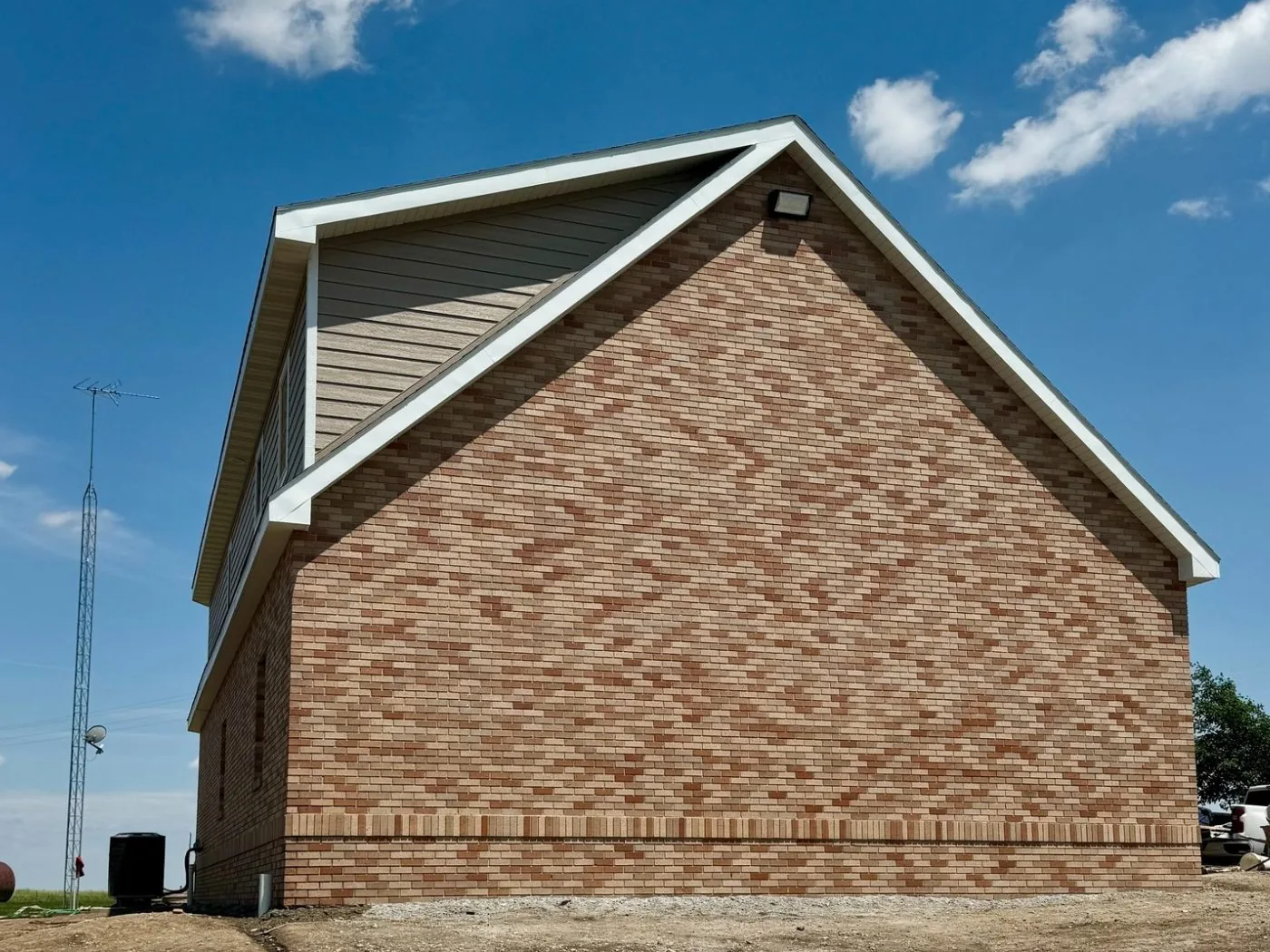 Service AreasElevated Masonry & Exteriors is an exterior contractor for southeast and central Nebraska.Learn more
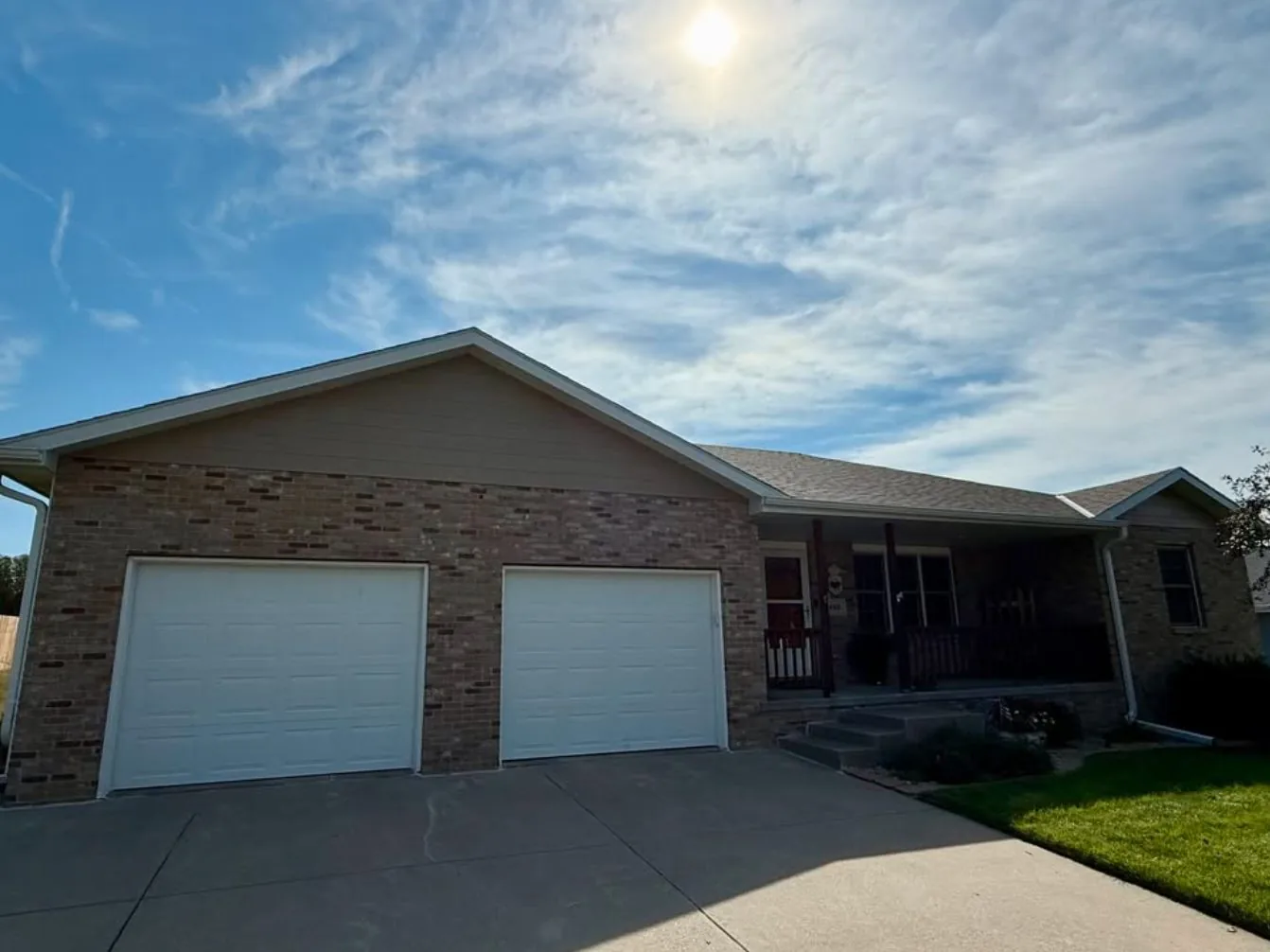 ContactCall, email or use the quote form to contact Elevated Masonry & Exteriors in Lincoln.Learn more
