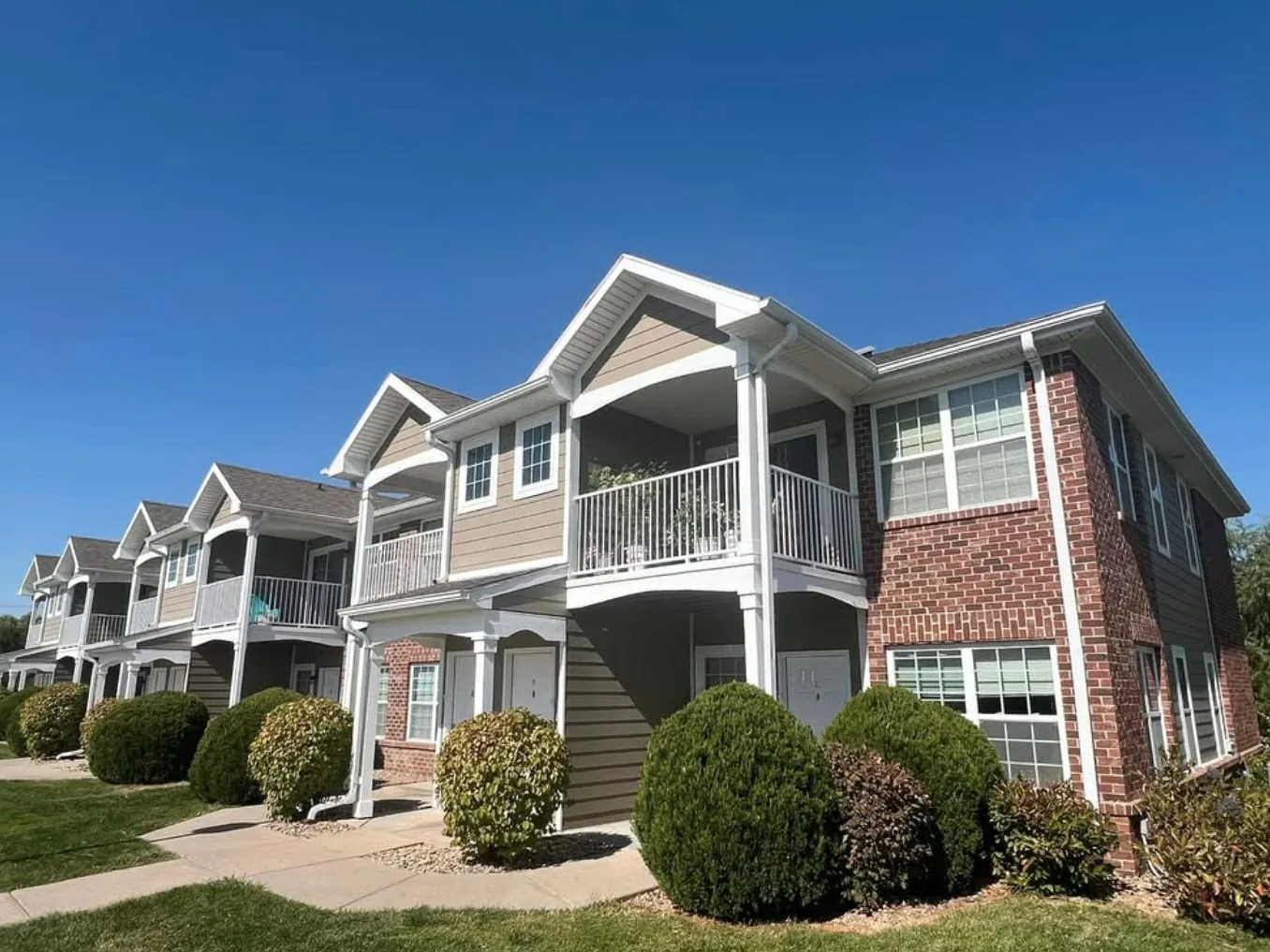
Quick answer
When is the best time to paint a house exterior in Nebraska?
Late spring through early fall is the usual window in Nebraska. Most standard exterior latex paints need air and surface temperatures of at least 50 degrees, and they need to stay there for hours after application. Some products are rated down to 35 degrees. Pick dry days with no rain in the forecast, and stop early enough that evening dew does not land on fresh paint.
What painting services do you offer in Lincoln, NE?
Four kinds of painting, all from the same crew: interior, exterior, residential and commercial. Homes get a free on site estimate, businesses are bid from plans or a walk through.
- Interior painting: walls, ceilings, trim, doors, cabinets, basements and stairwells, finished in two coats with the prep done first.
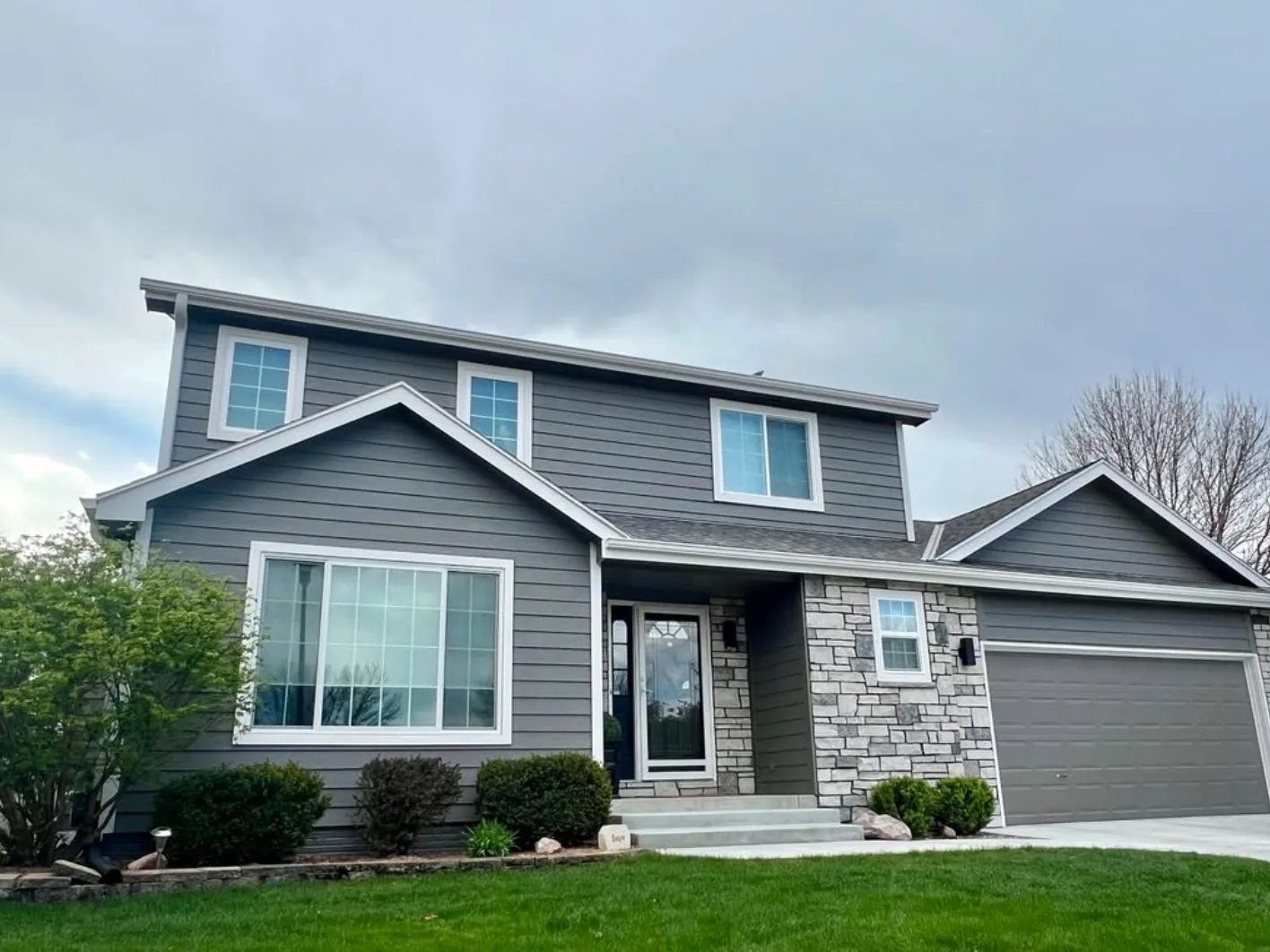
- Exterior painting: siding, trim, soffit, fascia, doors, garage doors, decks and railings, scheduled for the right temperatures.
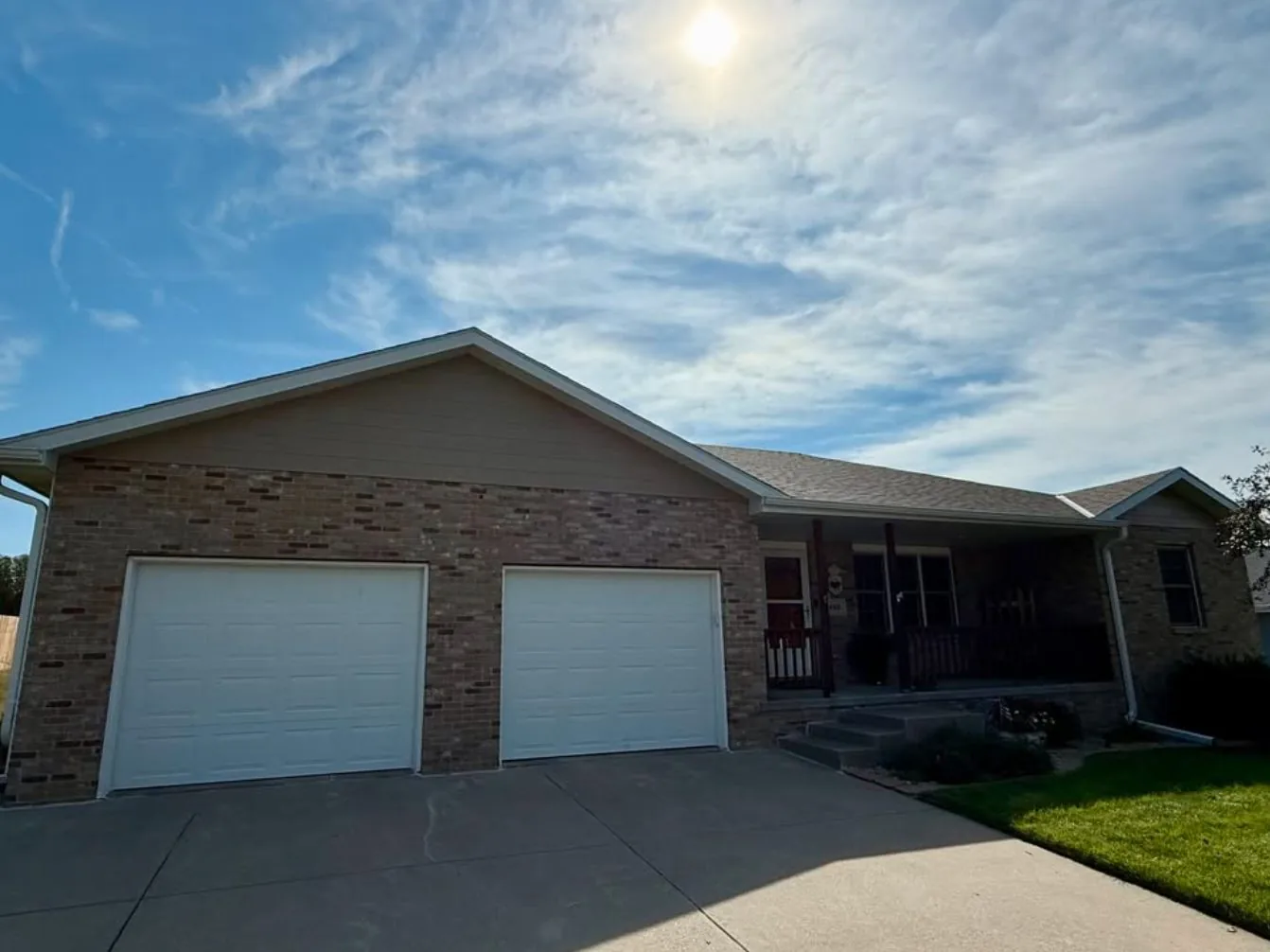
- Residential painting: single family homes, townhomes and rentals, one room or the whole house, inside and out.
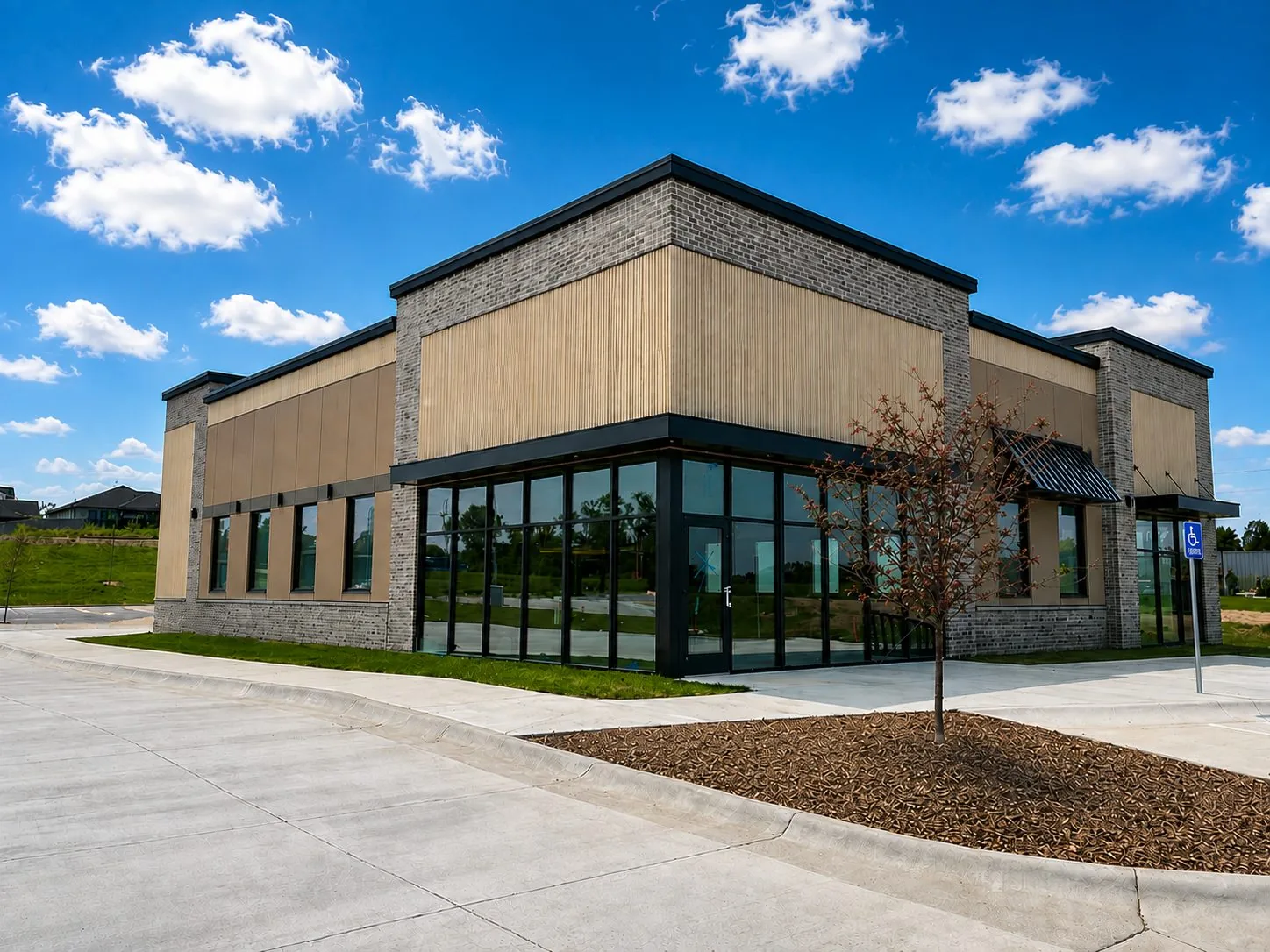
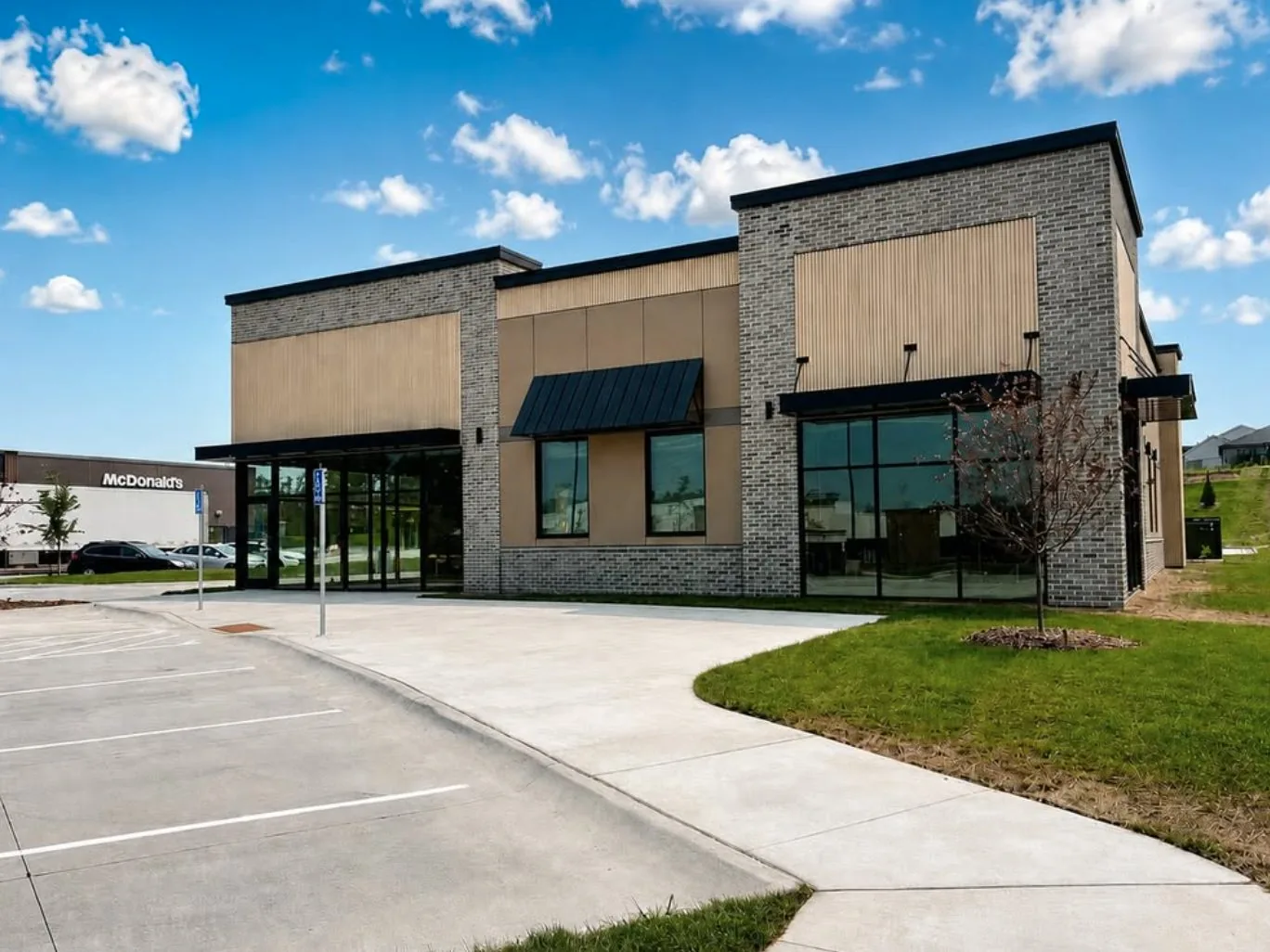
- Commercial painting: storefronts, offices, apartment and multifamily buildings, metal doors and railings, bid from your plans or scope.
Every job starts with a free estimate and a written bid that lists the surfaces included, the prep, the products and the expected timeline.
What does exterior painting in Lincoln, NE involve?
A good exterior paint job is mostly prep. The house is washed, loose paint is scraped and sanded, rotted wood is repaired, gaps are caulked, and bare spots are primed before any finish coat goes on. Then two coats of a quality exterior paint are applied in the right weather. Skipping prep is the main reason paint peels after a year or two, no matter how good the paint is.
- Siding: wood, fiber cement, engineered wood and previously painted surfaces.
- Trim: fascia, soffit, window and door trim, corner boards.
- Doors and garage doors: a quick way to change how the front of the house looks.
- Decks, railings and porches: paint or stain depending on the surface.
- Masonry and stucco: only with coatings made for masonry, covered below.
When can you paint outside in Nebraska?
Paint outside when the air and the surface are warm enough, the surface is dry, and the weather will hold for the rest of the day and night. For most standard latex paint that means at least 50 degrees, with the temperature staying there for several hours after you finish. Nebraska's spring and fall nights can drop fast, so a warm afternoon is not enough on its own. Check the overnight low before you open a can.
| Condition | What to aim for |
|---|---|
| Air and surface temperature | At least 50 degrees for most standard latex, some products rated down to 35 degrees |
| After application | Temperature stays in range for the time on the label, often 8 to 48 hours depending on the product |
| Dew point | Surface at least 5 degrees warmer than the dew point, and stop early on cool evenings |
| Moisture | Dry surface, no rain in the forecast, no fresh morning dew |
| Sun and wind | Avoid very hot surfaces in direct sun and gusty, dusty days |
In practice, that makes mid spring through early fall the main exterior painting season here. Interior painting can be done any time of year.
Why does prep matter more than the paint?
Paint only sticks as well as the surface under it. Dirt, chalky old paint, loose flakes and moisture all keep new paint from bonding, and it will peel no matter what brand is on the label. Prep also fixes the things paint cannot hide, like open joints and soft wood. When you compare bids from house painters in Lincoln, NE, compare the prep steps first and the paint second.
- Wash: remove dirt, chalking and mildew so paint can bond.
- Scrape and sand: take off loose and peeling paint and feather the edges.
- Repair: replace rotted trim and fill damaged spots.
- Caulk: seal gaps at trim and joints, but leave the drainage gaps that siding and windows need open.
- Prime: spot prime bare wood, stains and repairs.
- Protect: cover plants, walkways, windows and fixtures.
- Paint: usually two finish coats for even color and longer life.
Should you paint brick?
Think hard before you paint brick. Once it is painted, getting back to natural brick is difficult, and the wrong paint can trap moisture in the wall. In Nebraska's freeze and thaw cycles, trapped water can lead to peeling paint and crumbling brick faces. If you still want a new look, a breathable mineral paint or limewash is usually a safer choice than a standard film forming paint. Fix cracked mortar with tuckpointing and brick repair first.
| Option | How it works | Reversible? | Watch out for |
|---|---|---|---|
| Leave natural | Brick stays as is | Nothing to reverse | Keep mortar joints in good shape |
| Standard paint | Forms a film over the brick | Very hard to undo | Can trap moisture and peel |
| Mineral or silicate paint | Bonds with the masonry and lets vapor pass | Hard to undo | Needs clean, uncoated masonry and careful prep |
| Limewash | Soaks in and weathers over time | Partly, it wears back | Needs refreshing every so often |
What do owners of pre-1978 homes need to know about lead paint?
If your home was built before 1978, its paint may contain lead. Under the EPA Renovation, Repair and Painting rule, paid work that disturbs more than about 6 square feet of painted surface in a room or 20 square feet outside must be done by a certified firm using lead safe work practices. Scraping and sanding old paint creates dust that is especially harmful to young children and pregnant women.
- Ask any painter whether their firm is EPA Lead Safe Certified before work starts on an older home.
- Expect plastic sheeting on the ground, work area signs and careful cleanup.
- Keep kids and pets away from the work area until cleanup is finished.
- Not sure when your house was built? County property records list the year, and it is worth checking before any scraping starts.
What should you expect from interior painters?
Interior painting is about clean lines and a clean house when the crew leaves. Good interior painters in Lincoln, NE move or cover furniture, protect floors, patch nail holes and cracks, sand and prime repairs, then cut in edges by hand before rolling walls. Ceilings, trim and doors usually get their own finish. Ask how many coats are included and which rooms will be off limits each day so you can plan around the work.
- Walls and ceilings: patched, primed where needed and finished in two coats.
- Trim, doors and cabinets: often a harder wearing enamel finish.
- Basements and stairwells: extra prep for moisture stains and tall walls.
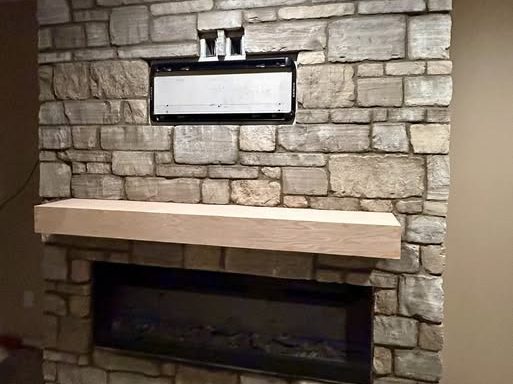
- Around masonry: clean cut lines next to a stone fireplace surround or brick.
Do you work as commercial painters in Lincoln, NE?
Yes. We paint interior and exterior surfaces on commercial buildings for businesses, builders, general contractors and property managers. Commercial painting usually means more coordination: working around tenants and business hours, following the color and product specs on the plans, and matching other trades' schedules. We give a written bid for the scope you send. See our commercial exterior services for masonry, EIFS and roofing on the same building.
- Storefronts, offices and retail interiors
- Apartment and multifamily exteriors, hallways and common areas
- Metal doors, railings and trim
What affects the cost of a paint job?
Painting cost depends on the size of the surfaces, how much prep they need, the number of colors, and how hard the work is to reach. Peeling, chalky or damaged surfaces take far more labor than sound ones. Two story walls, steep sites and lots of trim add time. For older homes, lead safe work practices add steps too. A detailed written bid shows where the money goes.
- Square footage of walls, siding and trim
- Condition of the old paint and how much scraping and repair it needs
- Number of colors and how much trim, doors and shutters there are
- Height, access and any lifts or scaffolding
- Paint quality and number of coats
- Lead safe practices on pre-1978 homes
What should you ask exterior painters before you hire?
Ask exterior painters in Lincoln, NE what prep is included, what paint they will use and how many coats, how they handle weather delays, and whether they are licensed and insured. For older homes, ask about lead safe certification. Get it all in writing. We serve homeowners across Lincoln and nearby towns including Beatrice and York.
- Which surfaces are included, and which are not?
- How will you prep peeling or chalky areas?
- Which product and sheen will you use, and why?
- What happens if rain or cold stops work?
- Who is on site, and who do I call with questions?
We are licensed and insured, and estimates are free. Call Brenton at (402) 417-3937, Monday to Friday, 8:00 AM to 5:00 PM.