Quick answer
What does a masonry contractor do?
A masonry contractor builds and repairs walls and features made of brick, concrete block, natural stone, manufactured stone and thin brick set in mortar. That covers new brick and stone on houses, block foundations and commercial walls, plus repair work like tuckpointing, replacing cracked or spalled brick and fixing the water problems that damage masonry.
What Our Masonry Contractors in Lincoln, NE Build and Repair
We build and repair brick, concrete block, natural stone, manufactured stone and thin brick on homes and commercial buildings. That includes new brick veneer and gable walls, block foundations and walls, stone wainscots, columns and fireplace surrounds, and restoration work like tuckpointing and brick repair. Homeowners call us directly, and builders, general contractors and property managers bring us onto their projects.
Brick
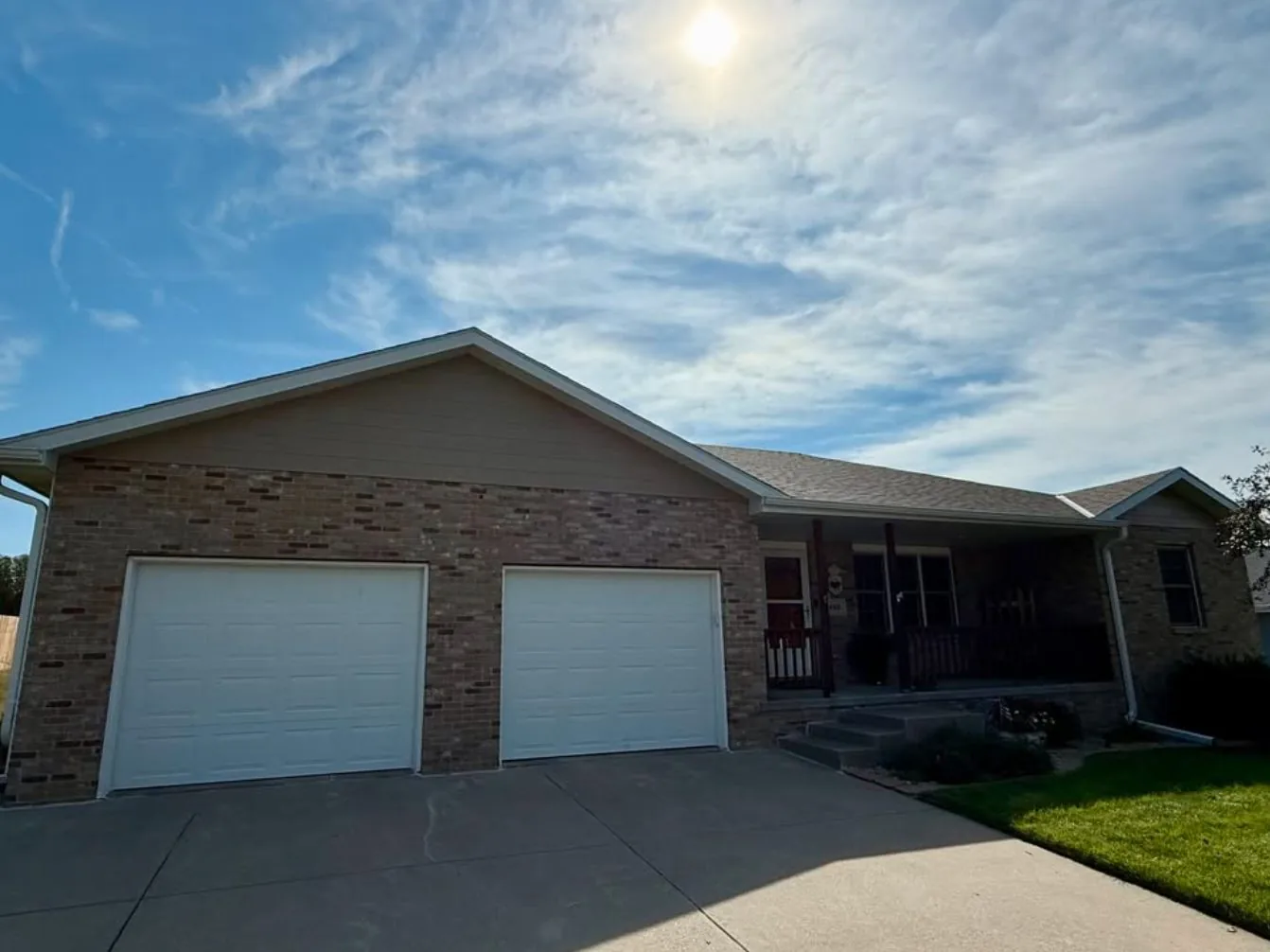
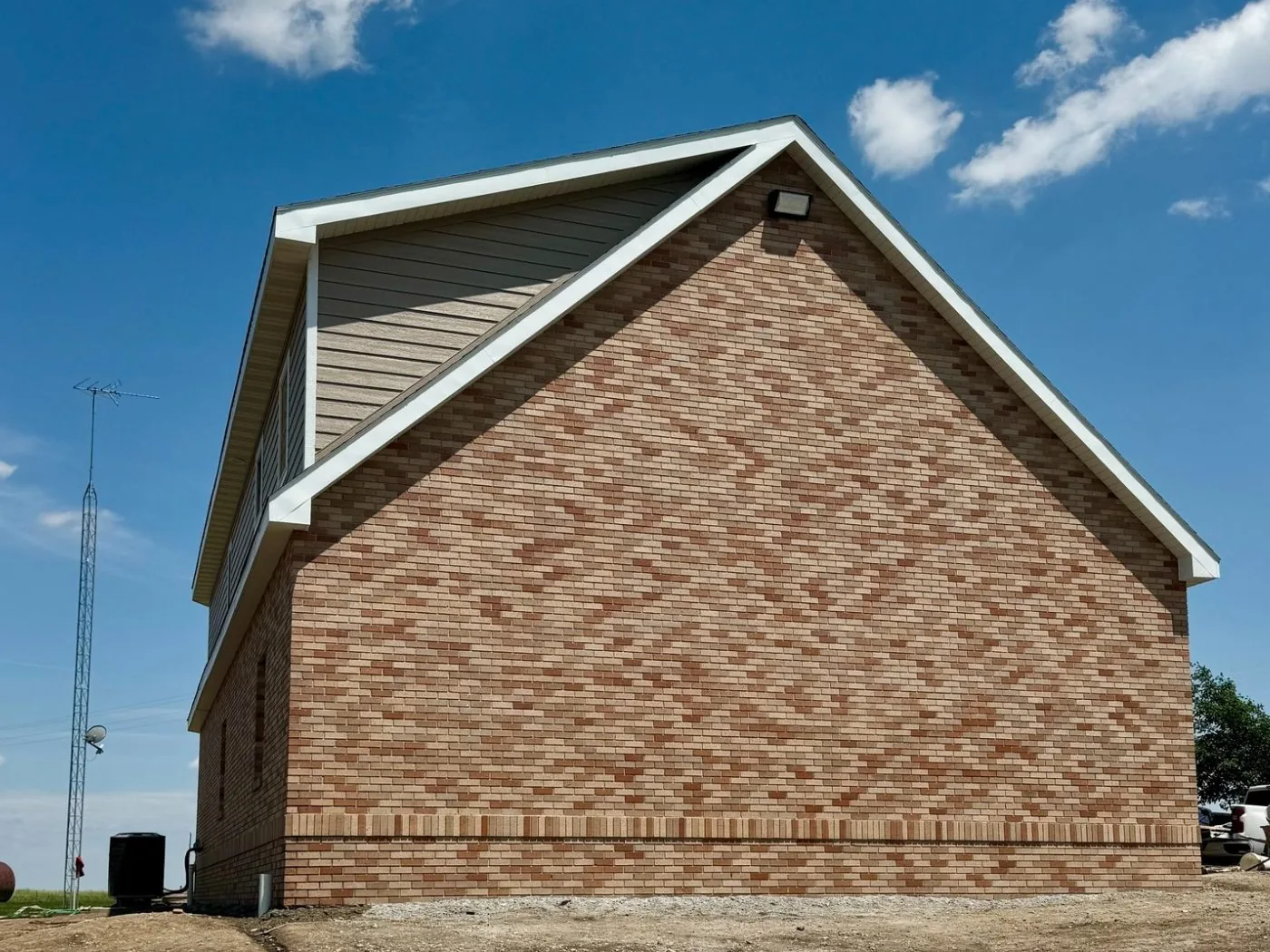
Full-size brick veneer on new homes and additions, brick wainscots on siding and metal buildings, and brick repairs that blend with what is already on the wall. Brick is fired clay, so it keeps its color for the life of the building. The mortar is the part that needs attention over time.
Concrete block
Block masonry is the workhorse for foundations, structural walls and commercial buildings. Blocks are hollow units set in mortar, and in structural walls the cores are filled with grout and steel wherever the design calls for it.
Natural and manufactured stone
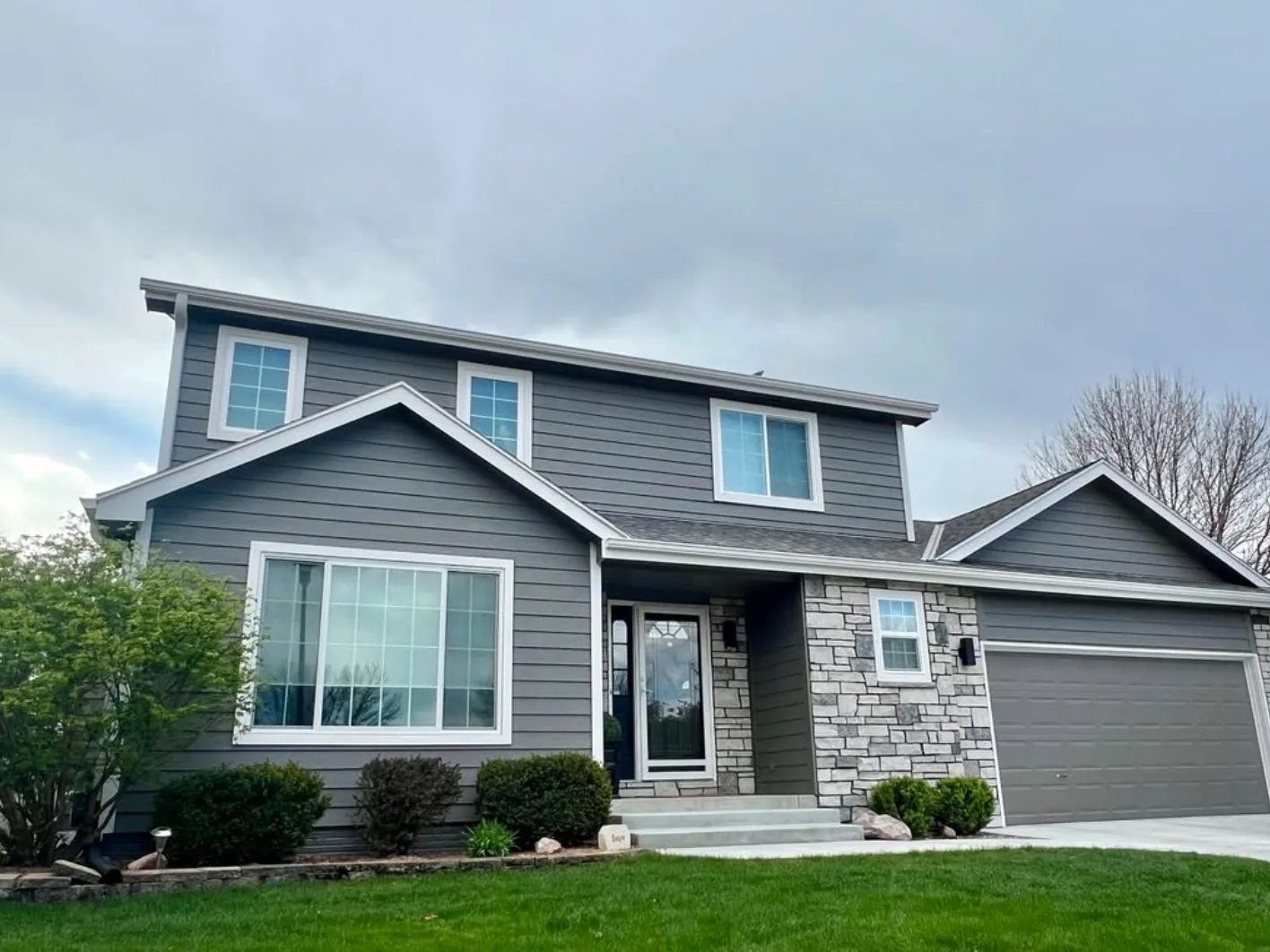
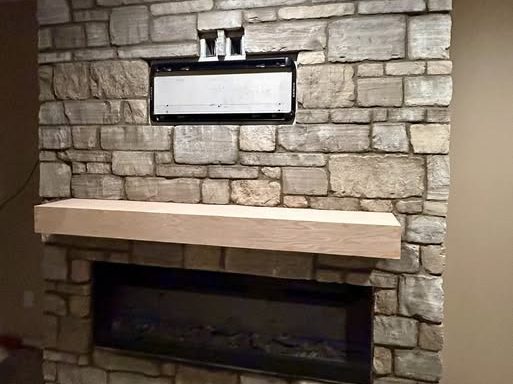
Stone wainscots, columns, accent walls and fireplace surrounds. Our page on natural and manufactured stone veneer compares the two side by side.
Thin brick
Real clay brick made thin, usually about half an inch to an inch thick, and adhered to a wall instead of stacked on a foundation ledge. It gives you a true brick face where full brick will not fit, like interior walls, fireplace faces and remodels.
Masonry restoration
Repointing worn mortar joints, replacing cracked or spalled brick, and tracking down the water problems behind the damage.
Brick, Block, Stone or Thin Brick: Which Material Fits?
It depends on what the wall has to do. Full brick and full-depth stone suit walls that sit on a foundation ledge and should last for generations with little care. Concrete block suits foundations and structural or commercial walls. Manufactured stone and thin brick are light enough to adhere, so they work where there is no ledge, such as interior walls, wainscots on framed walls and remodels.
| Material | What it is | Best for | Keep in mind |
|---|---|---|---|
| Full brick | Fired clay units, roughly 3 to 4 inches deep | House veneer, gable walls, commercial facades | Needs a foundation ledge, wall ties and an air space behind it |
| Concrete block | Hollow cast concrete units in several widths | Foundations, structural walls, commercial buildings | Needs reinforcement and drainage where the design calls for it |
| Natural stone | Quarried stone, full depth or sawn thin | Wainscots, columns, fireplaces, accent walls | Full-depth stone is heavy and needs a ledge; thin-sawn stone does not |
| Manufactured stone | Lightweight concrete cast and colored to look like stone | Wainscots, columns, fireplace surrounds | Lower material cost, but only as good as the water management behind it |
| Thin brick | Real clay brick about 1/2 to 1 inch thick | Interior walls, fireplaces, remodels, accent walls | Adhered like tile, so the wall prep behind it matters |
Residential and Commercial Masonry
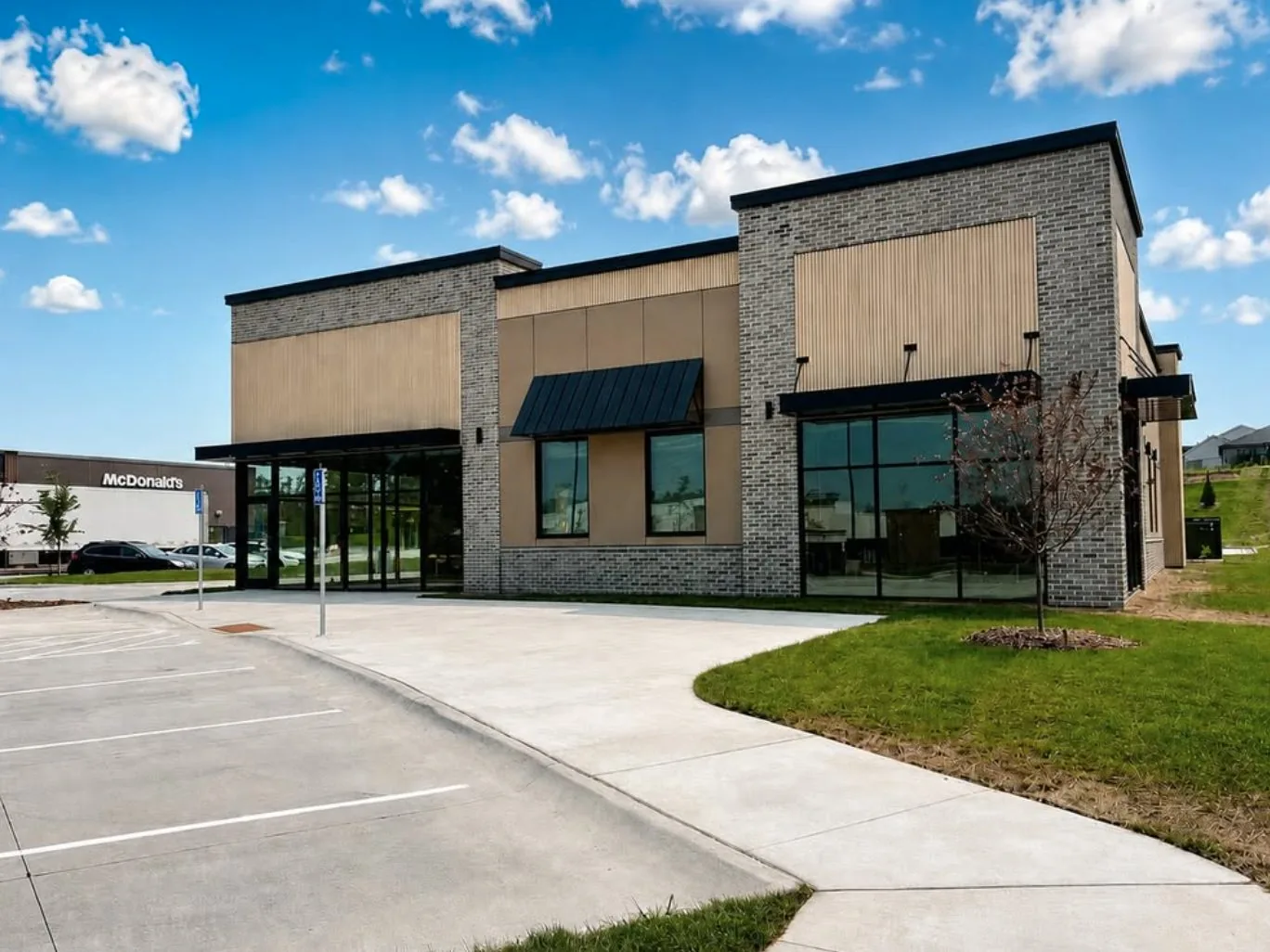
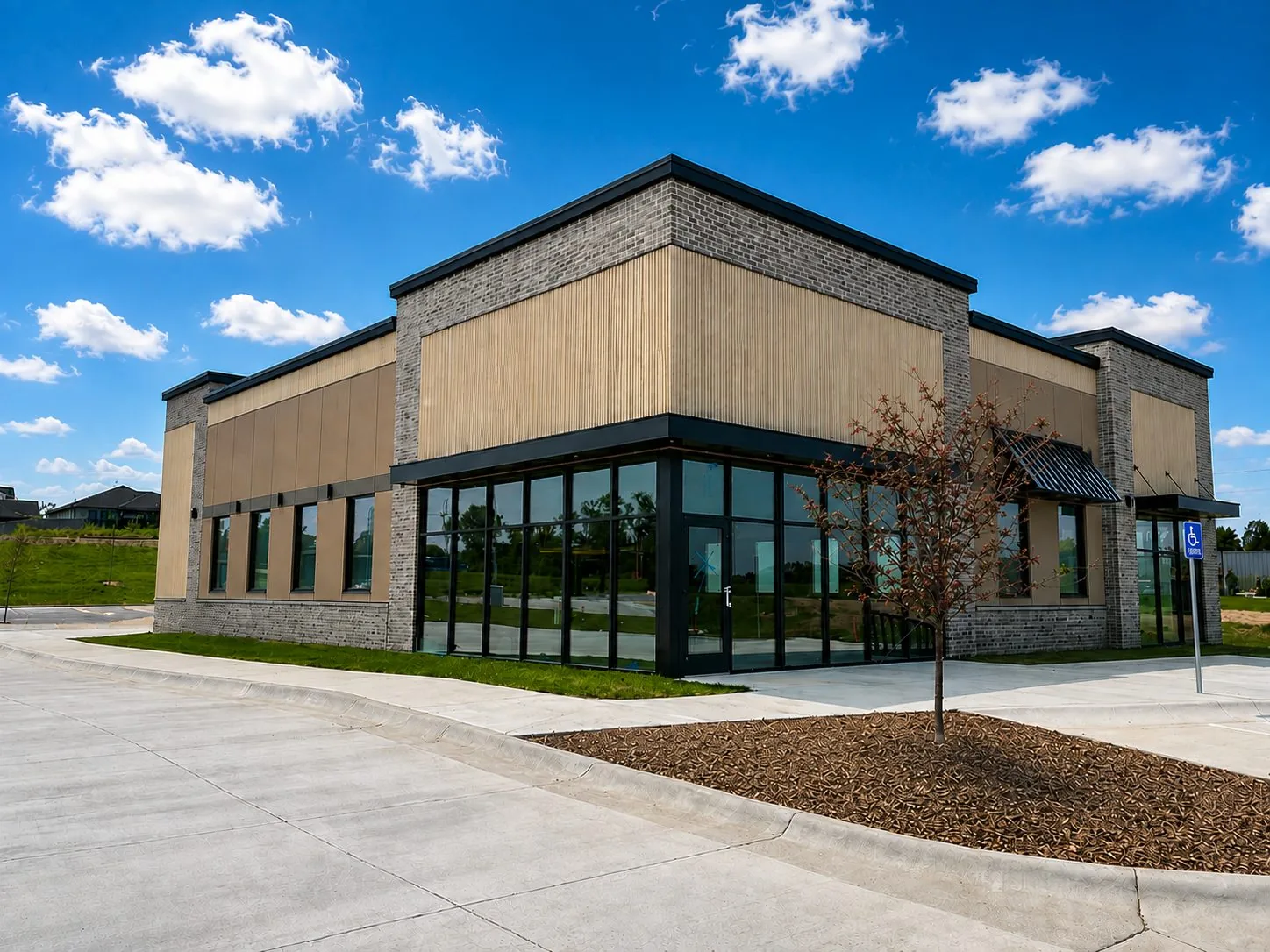
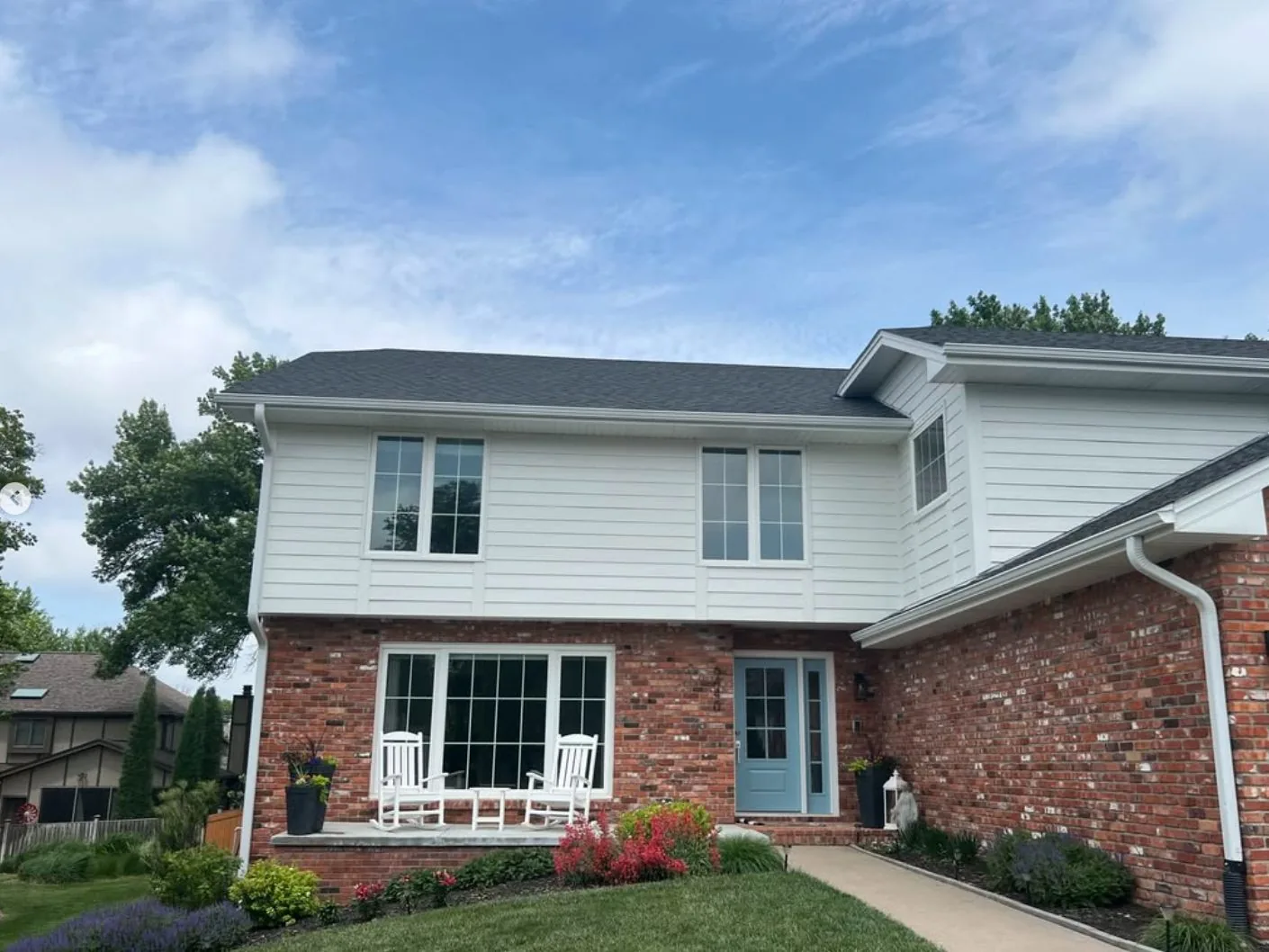
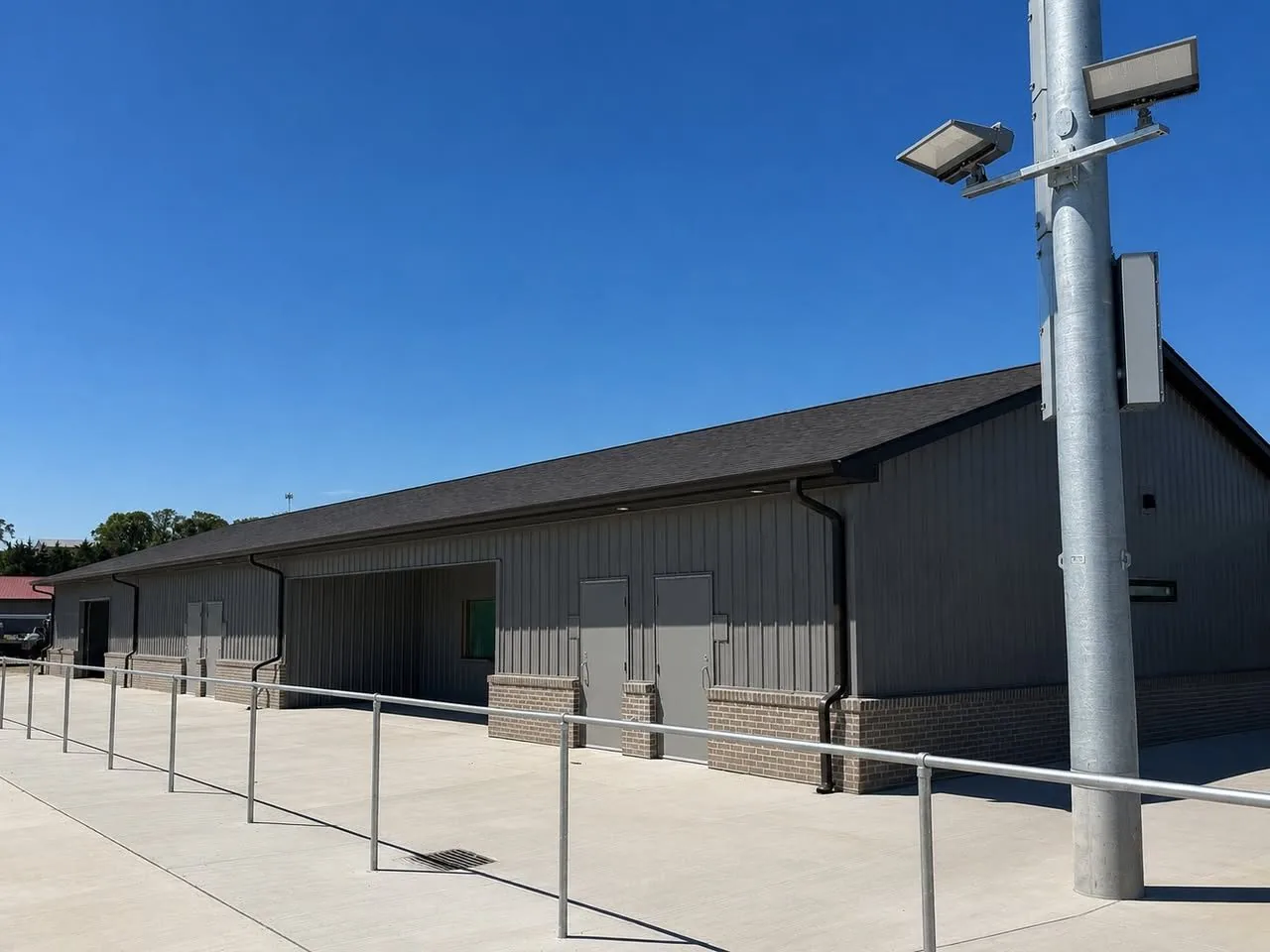
On homes, most masonry work is brick and stone veneer, wainscots, fireplace surrounds and repairs to aging brick. On commercial jobs we work for builders, general contractors and property managers on retail buildings, apartments and metal buildings with brick wainscots. Commercial work runs on drawings, schedules and inspections, so we bid it in writing and keep your site lead in the loop. More on commercial exterior work.
For homeowners
- Brick and stone on new homes and additions
- Stone wainscots and columns on siding homes
- Fireplace surrounds in stone or thin brick
- Tuckpointing, brick replacement and repairs after water or freeze damage
For builders, general contractors and property managers
- Brick and block on retail and multi-family buildings
- Brick wainscots on metal buildings
- Masonry repair on occupied buildings, planned around tenants
- Written bids priced from your plans and scope
Masonry Repair in Lincoln, NE: Fix It or Rebuild It?
Most masonry problems can be repaired once the cause is fixed. Worn or crumbling mortar calls for repointing. A few cracked or spalled bricks can be cut out and replaced. Rebuilding makes sense when a section bulges, leans, is loose all the way through, or has so much damage that patching would cost about the same. A good contractor tells you which one you need and why.
Usually a repair
- Mortar that is sandy, recessed or missing in spots
- Hairline cracks that follow the mortar joints and are not growing
- A handful of cracked, chipped or spalled bricks
- White powder (efflorescence) on the face of the wall
Often a rebuild
- Walls that bulge, lean or move when pushed
- Bricks that are loose all the way through, not just at the face
- Large areas of spalled brick with open, wet joints
- Cracks that keep widening, which can point to a foundation or structural issue that should be assessed first
Mortar work, spalling and efflorescence are covered in detail on our brick repair and tuckpointing page.
How Nebraska Weather Wears Down Brick and Stone
Water is what ruins masonry, and Nebraska winters make water worse. Brick, stone and mortar soak up moisture. When that water freezes it expands by about 9 percent, and every freeze-thaw cycle pushes tiny cracks a little wider. Lincoln averages about 26 inches of snow a year, and spring storms bring wind-driven rain and hail that can wreck the gutters that keep water off your walls.
Damage shows up first where water collects or runs:
- Under leaking or overflowing gutters and downspouts
- Chimney tops, wall caps and window sills, where water sits on flat surfaces
- Near the ground, where snow piles up and sprinklers hit the wall
- On shaded walls that stay damp longer after rain or snow
Fixing the water source is part of the repair. If hail or wind damaged the roof or gutters that protect your masonry, see hail and storm damage repair.
How a Masonry Project Works, Step by Step
A masonry job starts with a look at the wall and a written bid, then moves to material selection, scheduling, prep, the masonry work, cleanup and a final walkthrough. Weather matters more than in most trades, because fresh mortar has to cure without freezing. With Elevated, the estimate is free, the bid is in writing, and there is no pressure to sign.
- Reach out. Call Brenton at (402) 417-3937 or use the quote form, and we'll get back to you in under 5 minutes.
- Look at the wall. Material, condition, how water moves around it, and access for ladders or scaffolding.
- Written bid. Scope, materials and price in writing.
- Pick materials. Brick, stone and mortar color are chosen or matched, with samples where it helps.
- Prep and protect. Landscaping, windows and walkways are covered, and scaffolding goes up if needed.
- Masonry work. Units are laid or repaired, joints are tooled, and fresh work is protected while it cures.
- Clean up and walk through. Mortar smears are cleaned off, debris is hauled away, and you see the finished work.
Late fall and winter jobs may need covers, heat or a schedule change so new mortar does not freeze.
What Affects the Cost of Masonry Work
Masonry pricing comes down to material, size, difficulty and access. Natural stone usually costs more than manufactured stone. Full brick needs more structure than thin brick. Height, scaffolding, tear-out of old material, matching existing brick or mortar, and the condition of what is behind the wall all move the price. Every wall is different, so we price each job with a free estimate instead of quoting numbers online.
- Material. Brick, block, natural stone, manufactured stone or thin brick, plus the style and color.
- Size and layout. Square footage, corners, arches, columns and window openings. Corners and cuts take the most labor.
- Height and access. A wall you can reach from the ground goes faster than a two story gable that needs scaffolding.
- Tear-out and prep. Removing old siding or damaged masonry, and adding lath, flashing or a ledge.
- Matching. Finding brick and mortar that blend with an older wall takes time and sourcing.
- Hidden damage. Rotted sheathing or failed flashing found once the wall is opened.
- Season. Cold weather protection adds cost in late fall and winter.
Questions to Ask Masonry Companies in Lincoln, NE
Ask any mason the same short list before you sign. Are you registered and insured? Will the bid be in writing with materials spelled out? How will you match my brick and mortar? How will water get out of this wall? Who will be on site, and who do I call with questions? Clear, specific answers are a good sign. Vague ones are a warning.
- Registration and insurance. Nebraska requires contractors to register with the state, and you can look one up through the Nebraska Department of Labor contractor registration page. Ask for proof of insurance too. Elevated is licensed and insured.
- Written scope. The bid should name the material, the areas or square footage, prep work and cleanup.
- Matching plan. For repairs, ask how they will match brick size and color, and mortar color and strength.
- Water management. Ask about flashing and weep holes, and for stone veneer, the weep screed and water-resistive barrier.
- Cold weather plan. If the job runs into late fall, ask how fresh mortar will be kept from freezing.
- Similar work. Brick, block and stone are different skills. Ask to see photos of work like yours.
Where We Do Masonry Work
Our office is at 701 P Street, Suite 105, in Lincoln, and we do masonry work across southeast and central Nebraska: Lincoln, Seward, Waverly, Hickman, Milford, Crete, York, Aurora, Grand Island, Hastings, Kearney, Beatrice, Wahoo and Ashland. For Seward and Seward County, call Trey Barnes at (402) 641-7709. Everywhere else, call Brenton Roby at (402) 417-3937.
Town pages cover local details: home exterior work in Lincoln, masonry in Seward and masonry in Crete. Office hours are Monday to Friday, 8:00 AM to 5:00 PM.